As modern architecture and interior design continue to prioritise quality and aesthetics, aluminium skirting profiles have gradually become a popular choice for high-end residential properties, commercial spaces and hotel projects, thanks to their durability, ease of installation and stylish appearance.
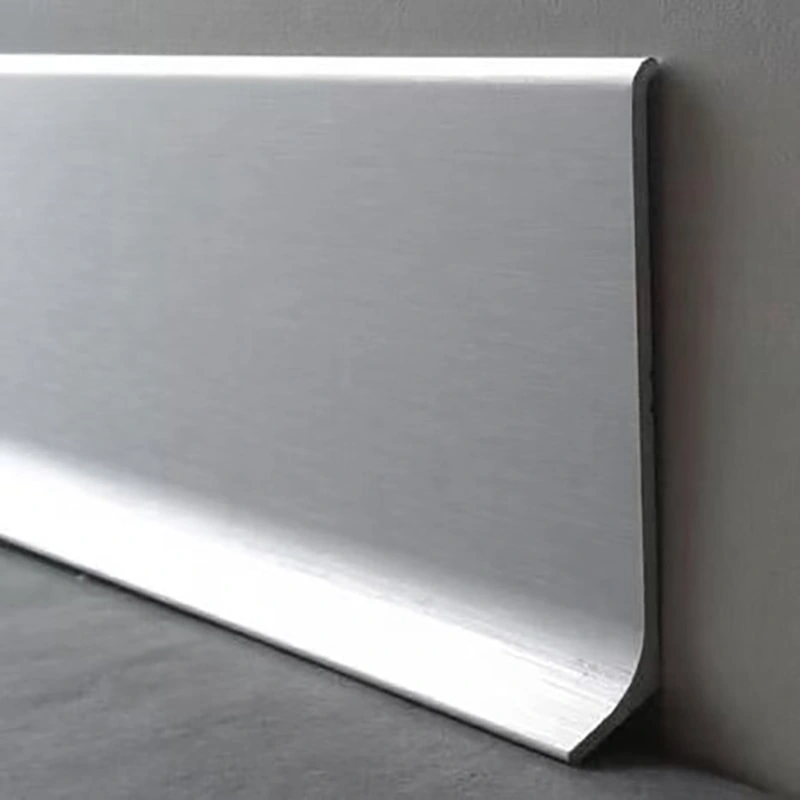
Compared to traditional wooden skirting boards, aluminium alloy skirting boards offer advantages such as moisture resistance, corrosion resistance and resistance to warping, enabling them to maintain stable performance over the long term. They are particularly suitable for environments with high durability requirements, such as kitchens, bathrooms and office spaces. At the same time, a diverse range of surface treatment processes—including anodising, powder coating and wood-grain finishes—allows the product to complement various interior design styles, meeting designers’ pursuit of aesthetic detail.
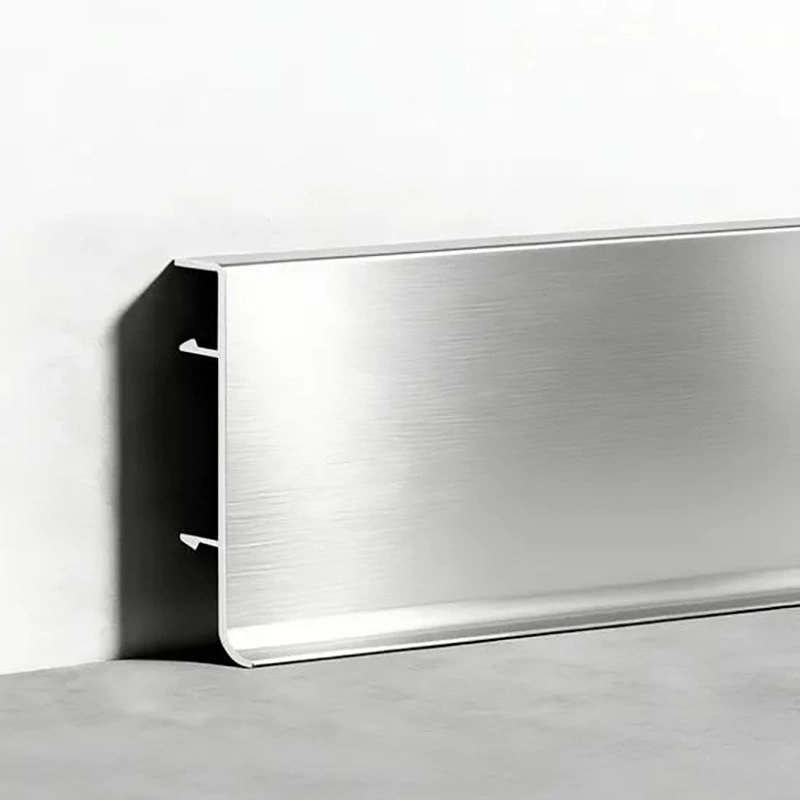
As an integral part of modern architectural decoration, aluminium skirting profiles not only enhance the overall harmony between walls and floors but also lend interior spaces a cleaner, more sophisticated visual appeal. With the growing emphasis on eco-friendly building materials, lightweight and recyclable aluminium profile products will continue to play a significant role in the future home furnishings market.
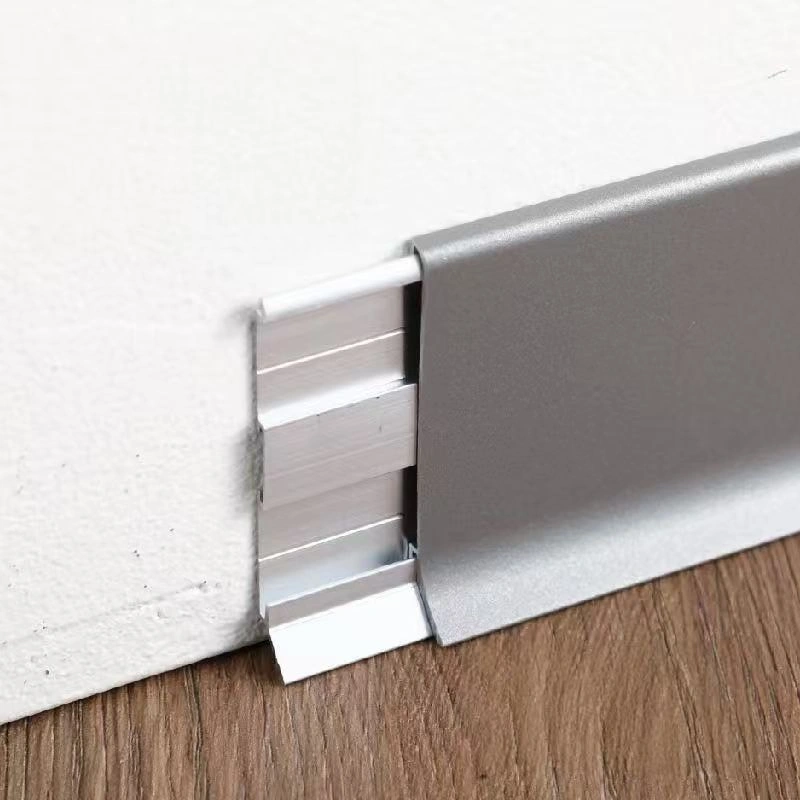
Specialist aluminium profile manufacturers can provide bespoke sizing, colour options and surface treatment services according to customer requirements, creating skirting board solutions that combine functionality with design appeal for clients worldwide.
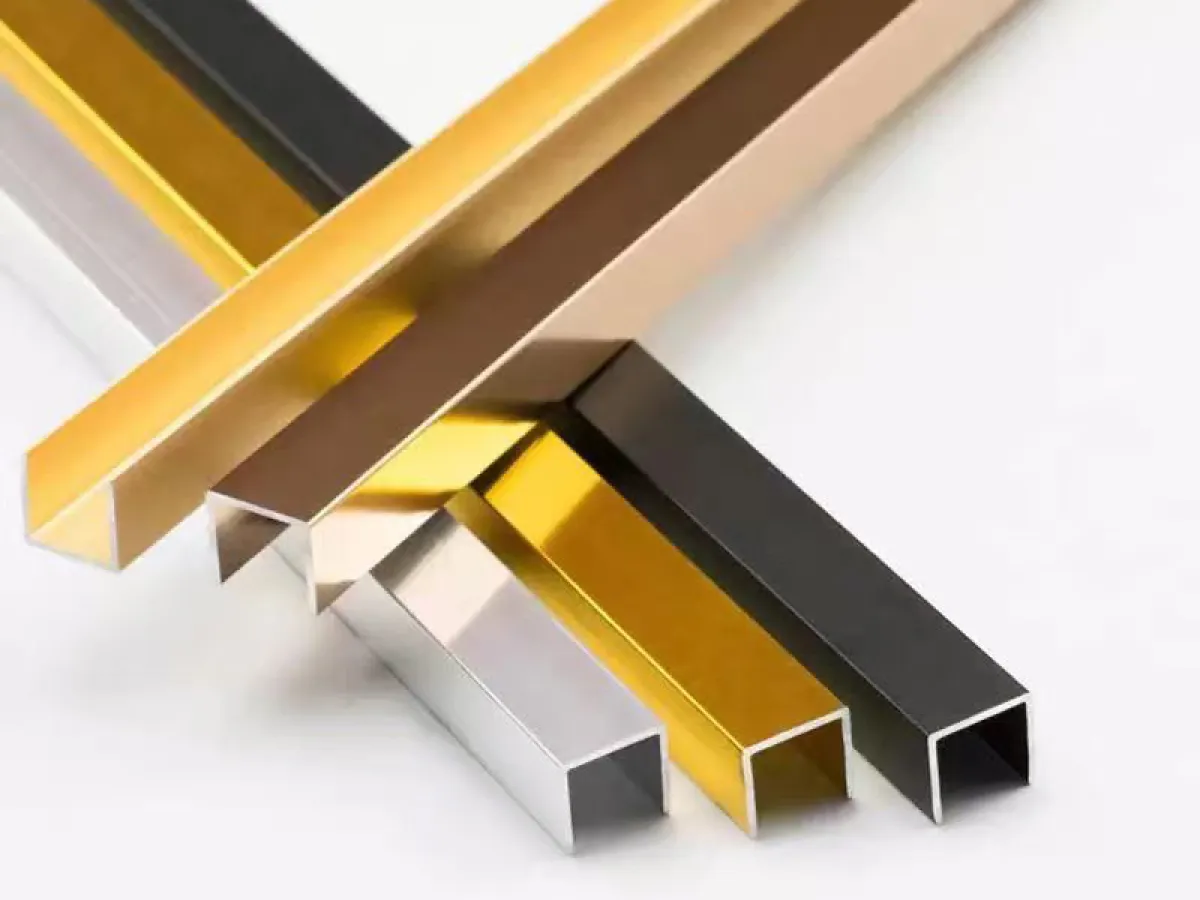
Products can be custom-sized to meet project requirements and are available with a variety of finishes, including anodizing, powder coating, and wood grain, making them widely used
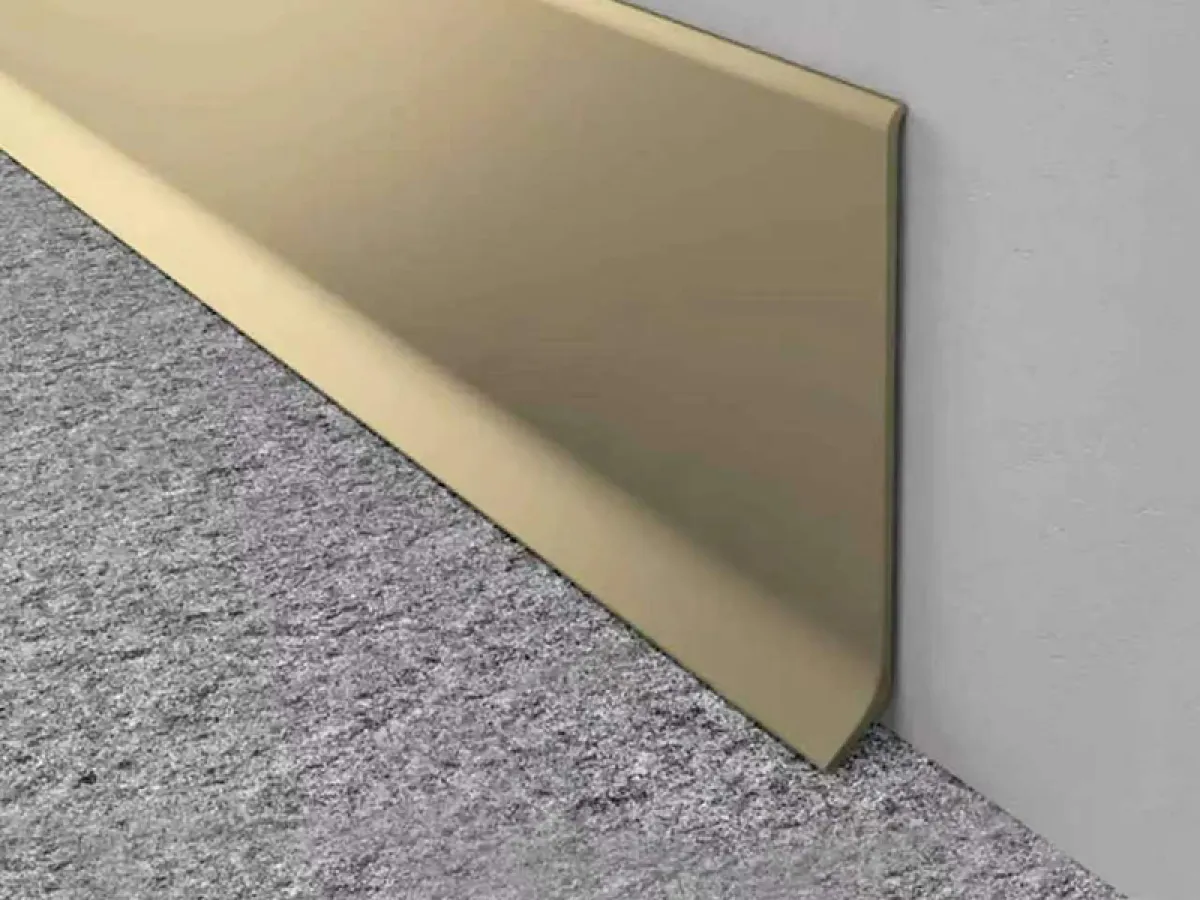
Through various finishing processes—such as anodizing, powder coating, and wood-grain finishes—Aluminum Skirting Profiles can adapt to different interior design styles, bringing a
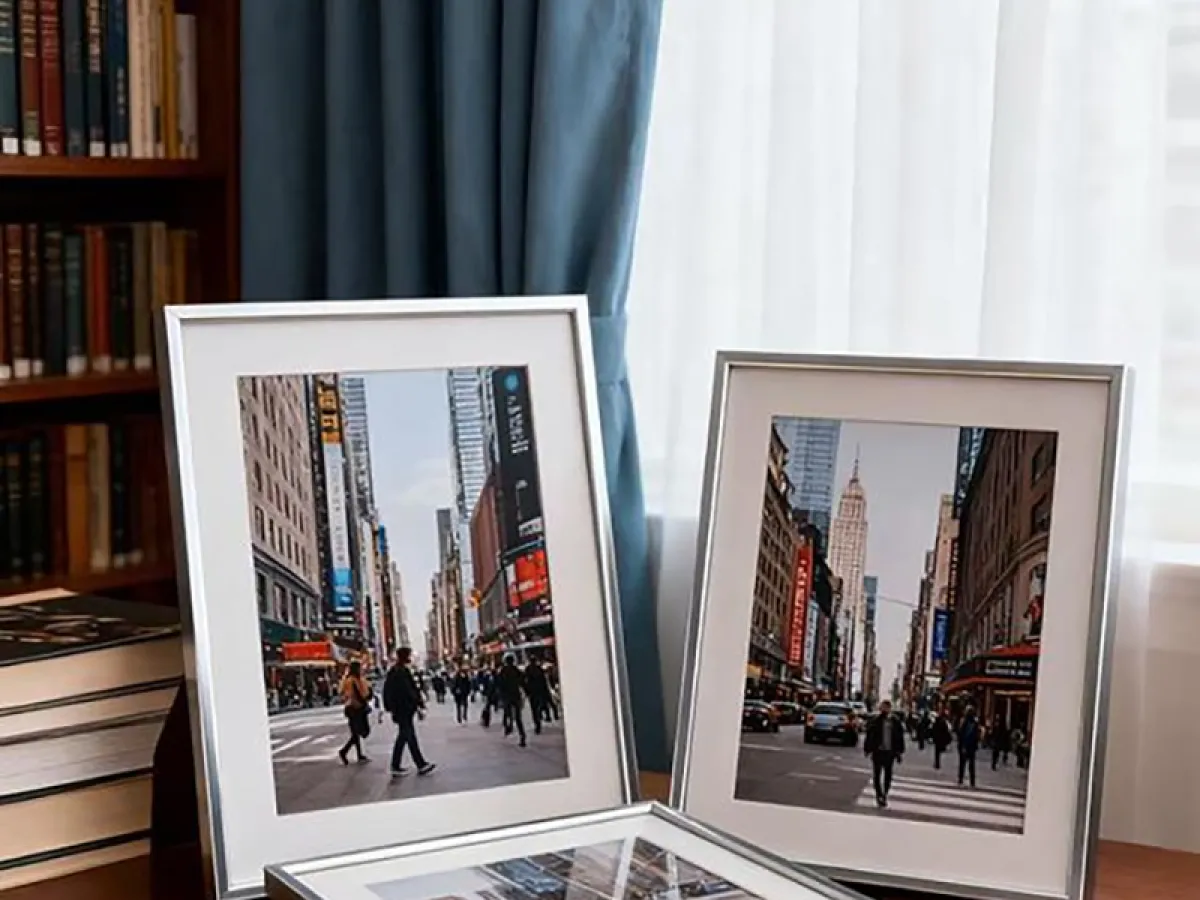
Compared to traditional materials, aluminum alloy profiles are resistant to deformation, moisture, and corrosion, and offer flexible processing options. They can be customized in t
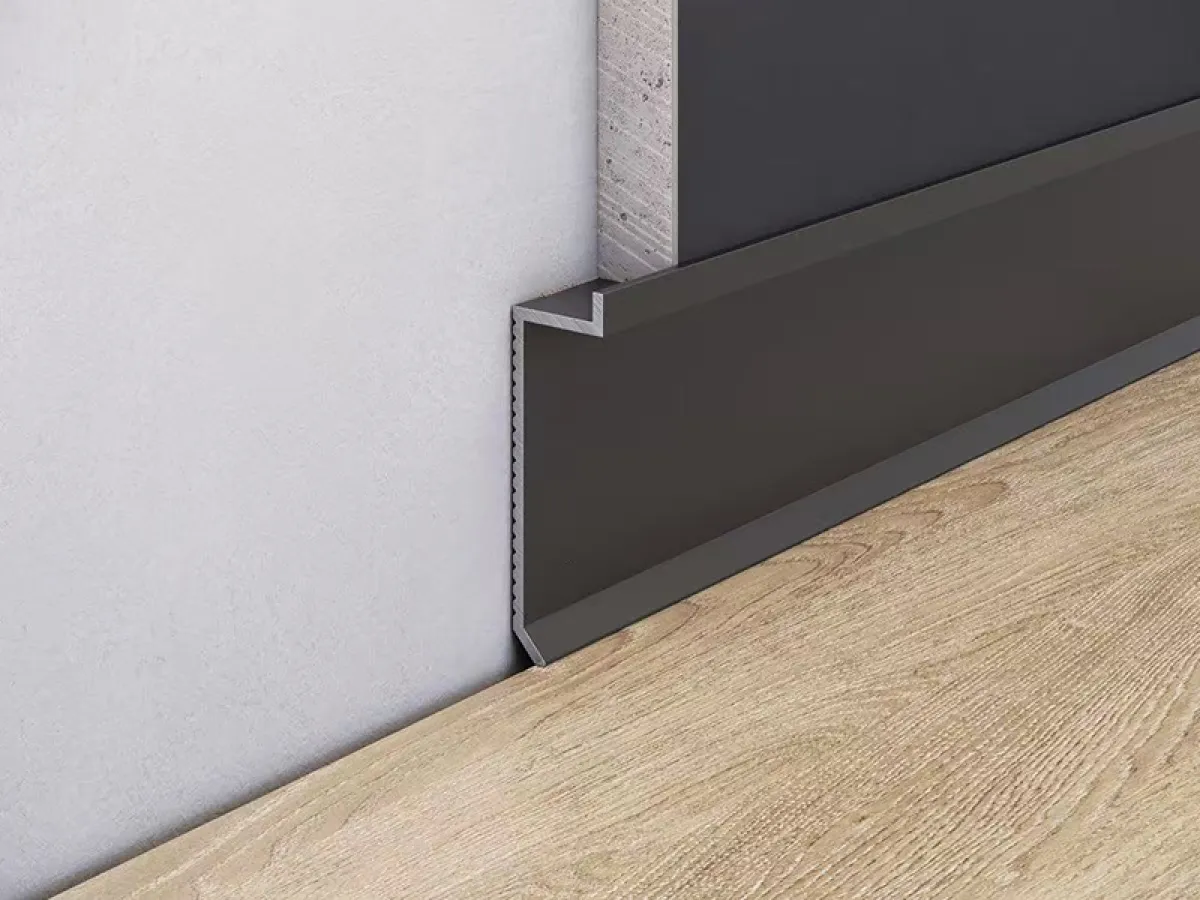
Whether paired with light-colored walls, hardwood floors, or tile and stone flooring, Aluminum Skirting Profiles can be coordinated through a variety of colors and surface finishes
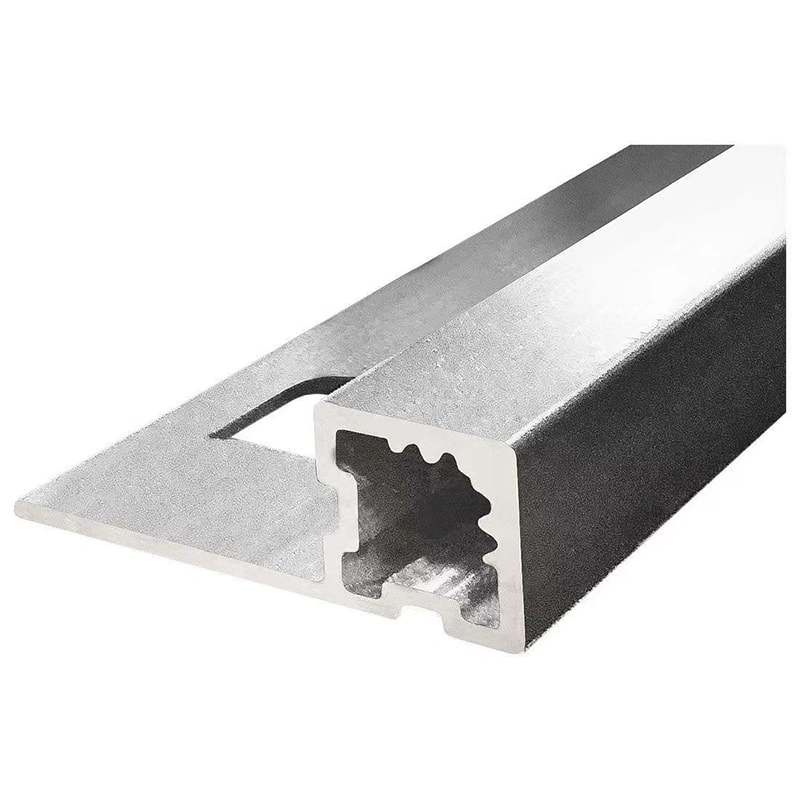
A high-quality aluminum tile trim is more than just a simple aluminum fabrication product. The profile cross-section, dimensional accuracy, surface treatment, and subsequent packaging all influence the final installation result.






Copyright © 2025 by Weifang Yilian Metal Products Co., Ltd. All Rights Reserved
Privacy Policy