As architectural design demands for comfort and durability continue to rise, aluminium screen window frames—thanks to their light weight, high strength and excellent weather resistance—have gradually become a popular choice for door and window systems in residential, commercial and public spaces.
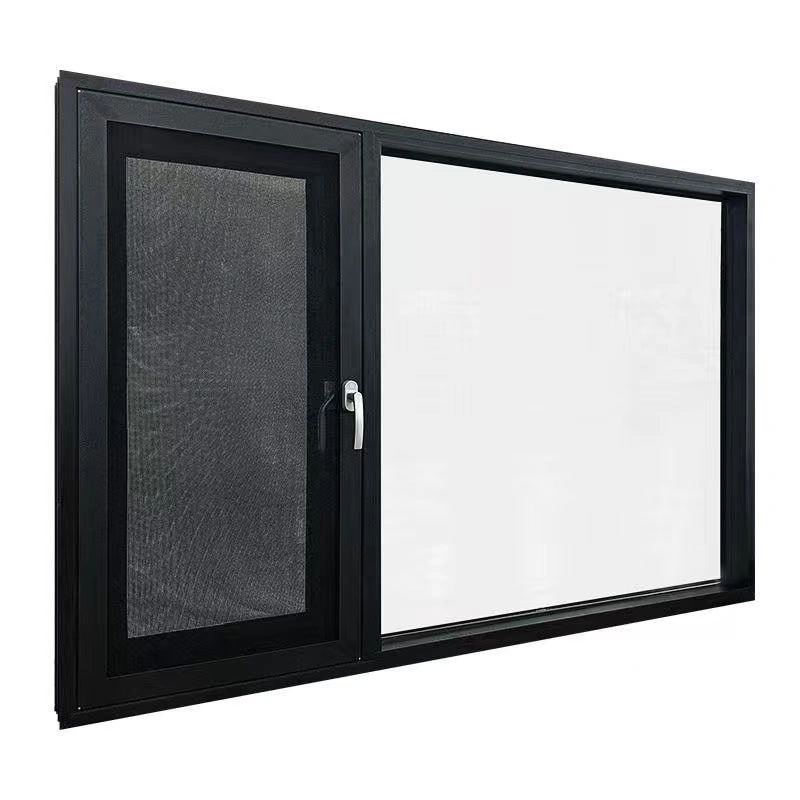
Compared to traditional materials, aluminium screen window frames offer excellent corrosion resistance; they are not prone to moisture, rust or deformation, and can adapt to a variety of climatic conditions. Furthermore, the surface of aluminium profiles can undergo various treatments, such as powder coating, anodising and wood-grain transfer, which not only extend their service life but also allow them to complement a wide range of architectural styles.
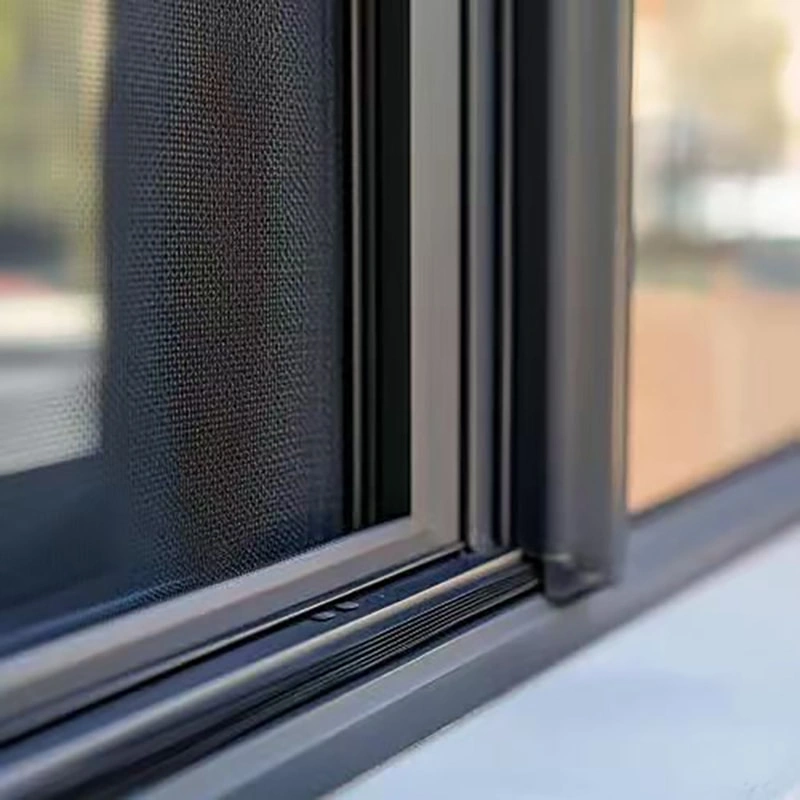
In practical applications, aluminium screen window frames are structurally stable and easy to install. They can be flexibly combined with components such as insect screens and glass to provide excellent ventilation, mosquito protection and natural light for indoor spaces. With the growing global demand for energy-efficient and environmentally friendly building materials, aluminium window frames are attracting increasing attention from overseas customers and door and window manufacturers alike, thanks to their recyclability and low maintenance requirements.
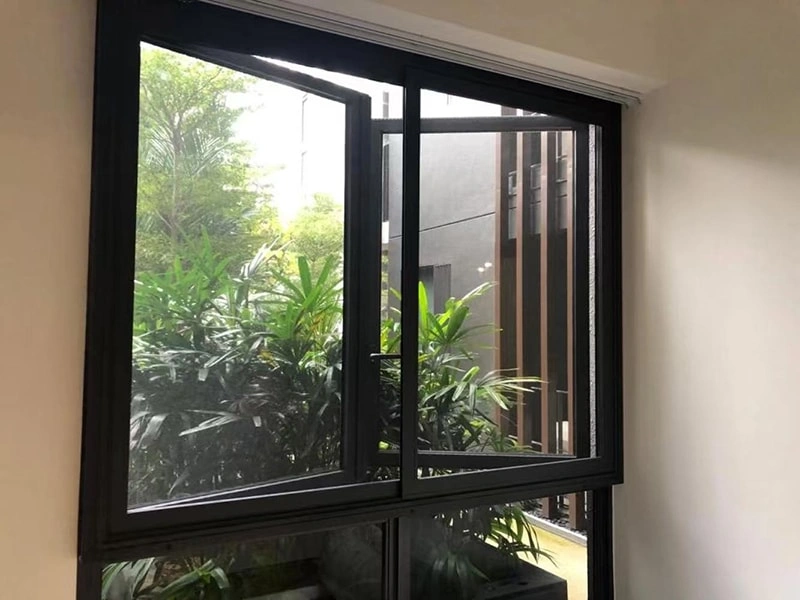
As door and window systems evolve towards higher performance and greater customisation, aluminium screen window frames will demonstrate even greater market potential in residential refurbishment, construction projects and the bespoke door and window sector. As a key application of aluminium profiles, their precision machining capabilities and customisation services will also become significant competitive advantages for suppliers.
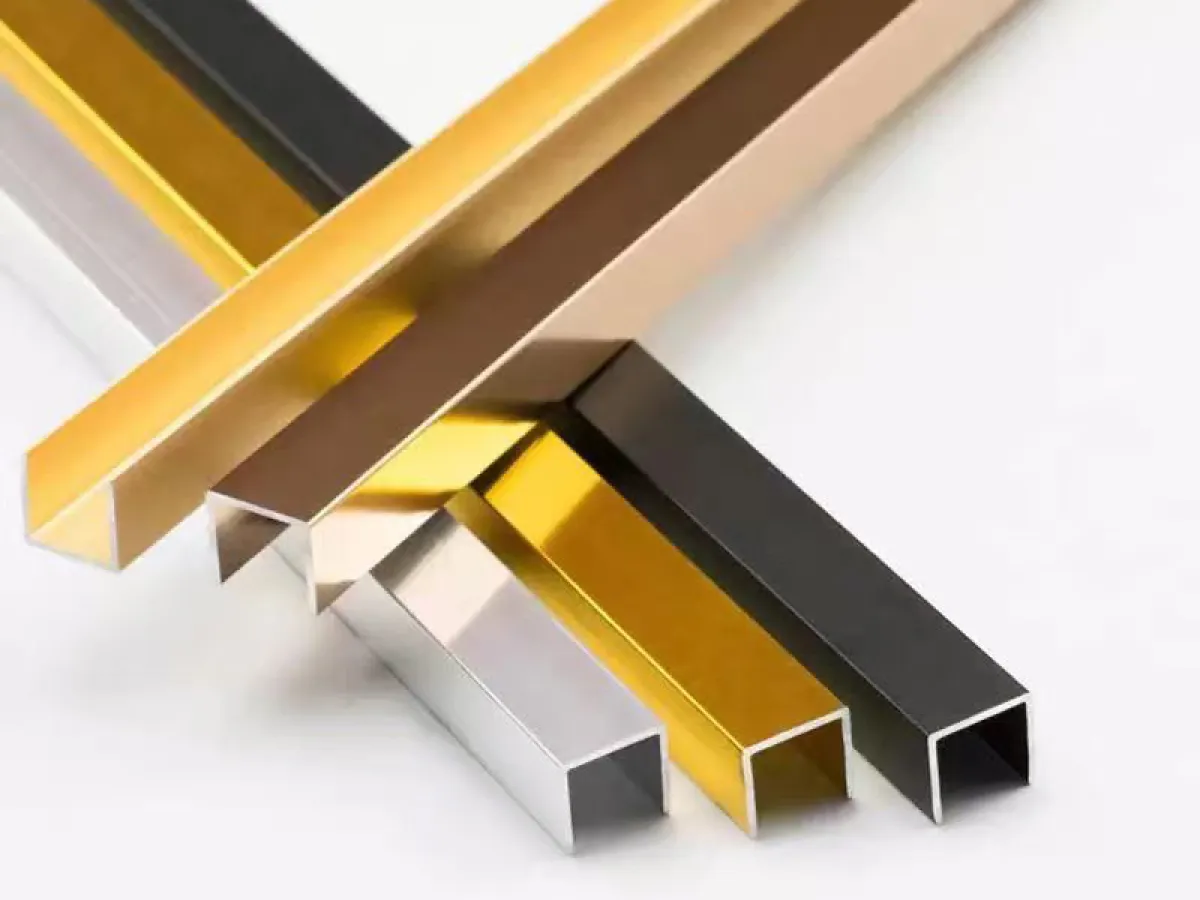
Products can be custom-sized to meet project requirements and are available with a variety of finishes, including anodizing, powder coating, and wood grain, making them widely used
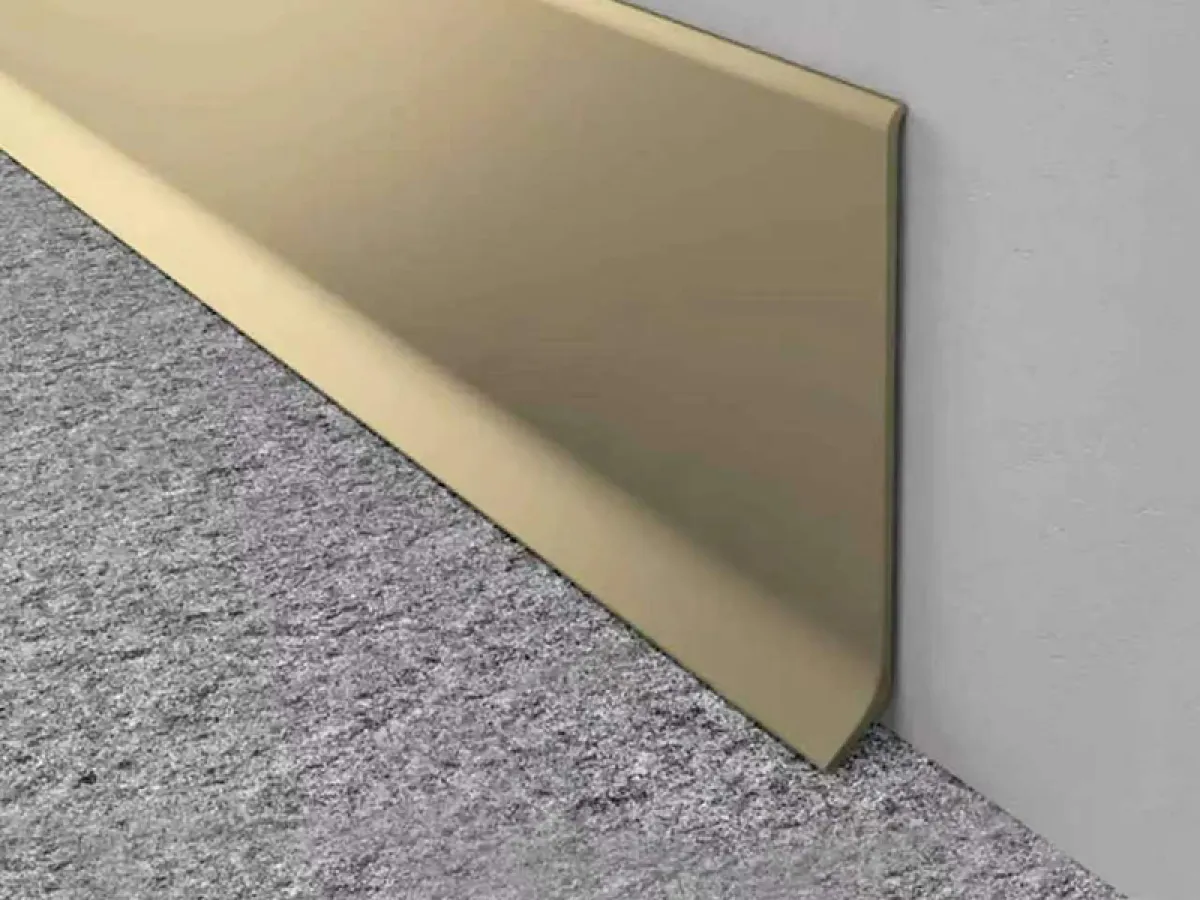
Through various finishing processes—such as anodizing, powder coating, and wood-grain finishes—Aluminum Skirting Profiles can adapt to different interior design styles, bringing a
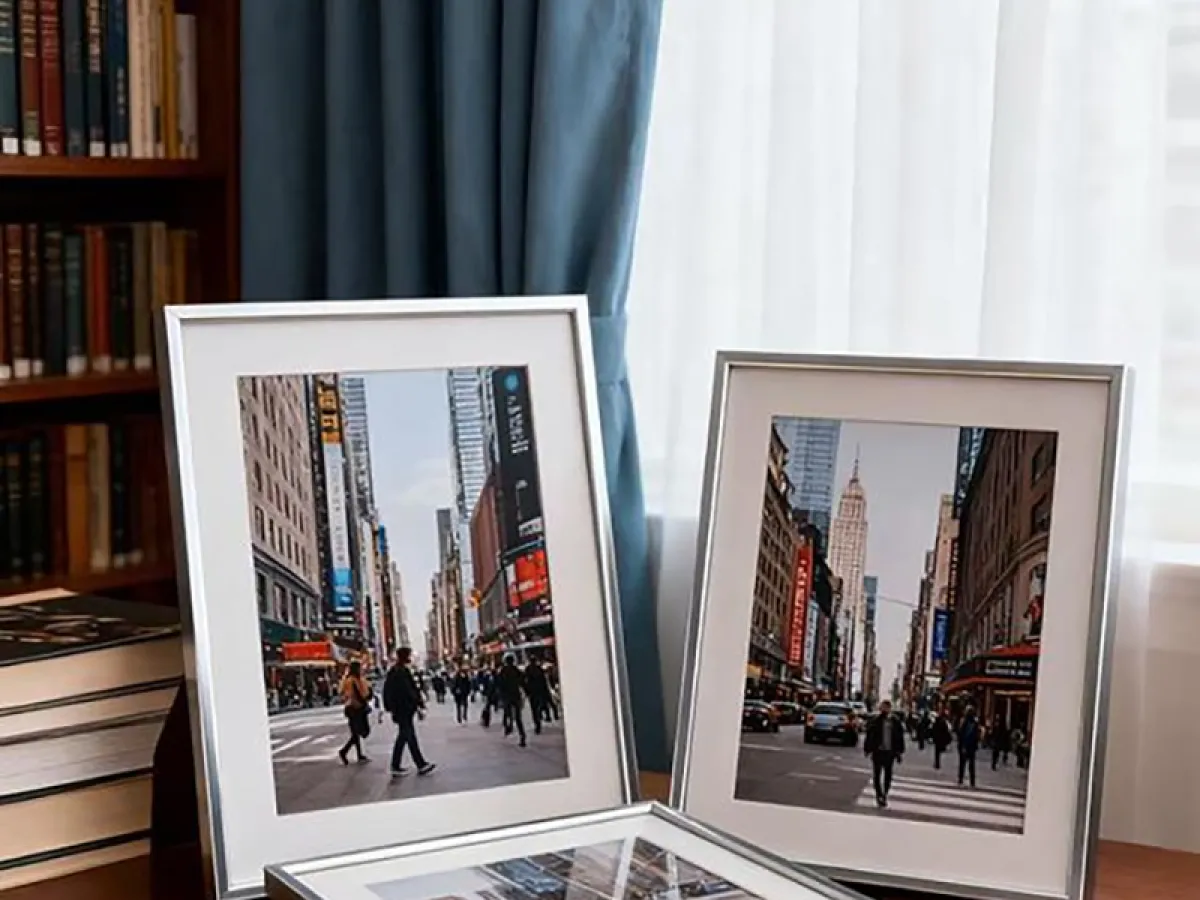
Compared to traditional materials, aluminum alloy profiles are resistant to deformation, moisture, and corrosion, and offer flexible processing options. They can be customized in t
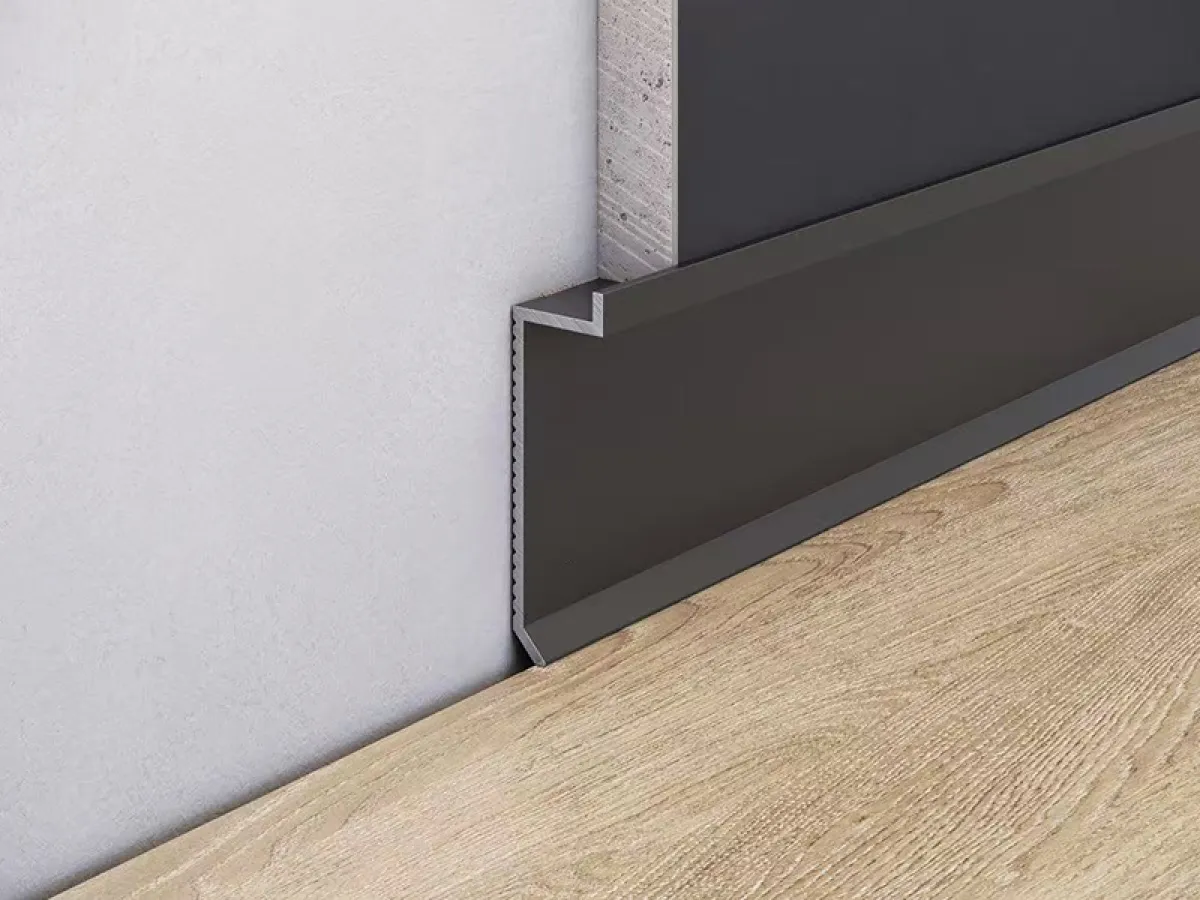
Whether paired with light-colored walls, hardwood floors, or tile and stone flooring, Aluminum Skirting Profiles can be coordinated through a variety of colors and surface finishes
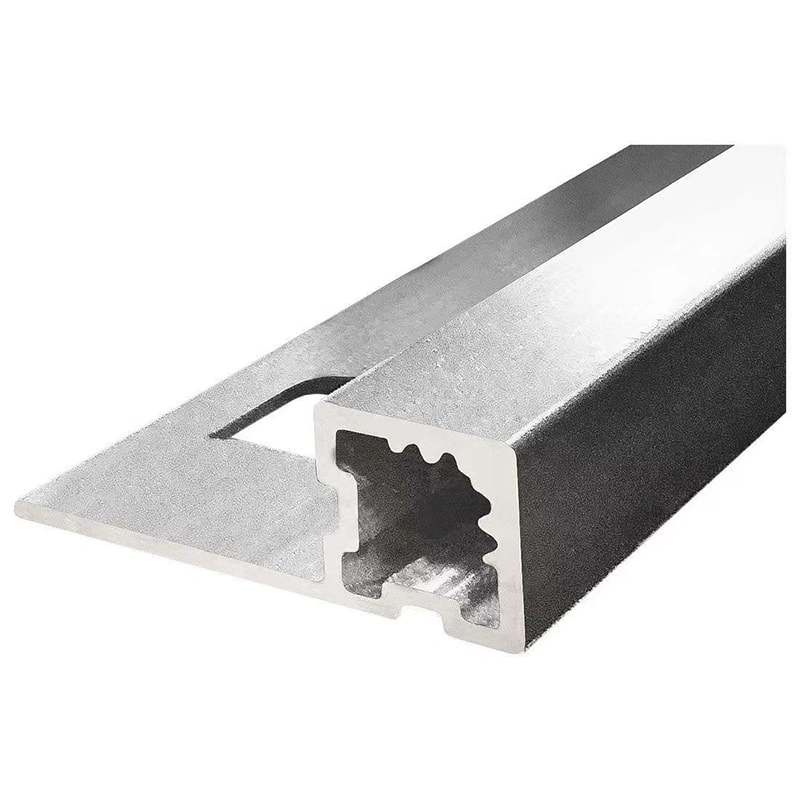
A high-quality aluminum tile trim is more than just a simple aluminum fabrication product. The profile cross-section, dimensional accuracy, surface treatment, and subsequent packaging all influence the final installation result.






Copyright © 2025 by Weifang Yilian Metal Products Co., Ltd. All Rights Reserved
Privacy Policy